Czech universities at APAIE 2026: strengthening partnerships and new trends in higher education
A delegation of Czech universities showcased study opportunities in Czechia and built partnerships with universities across the Indo-Pacific.
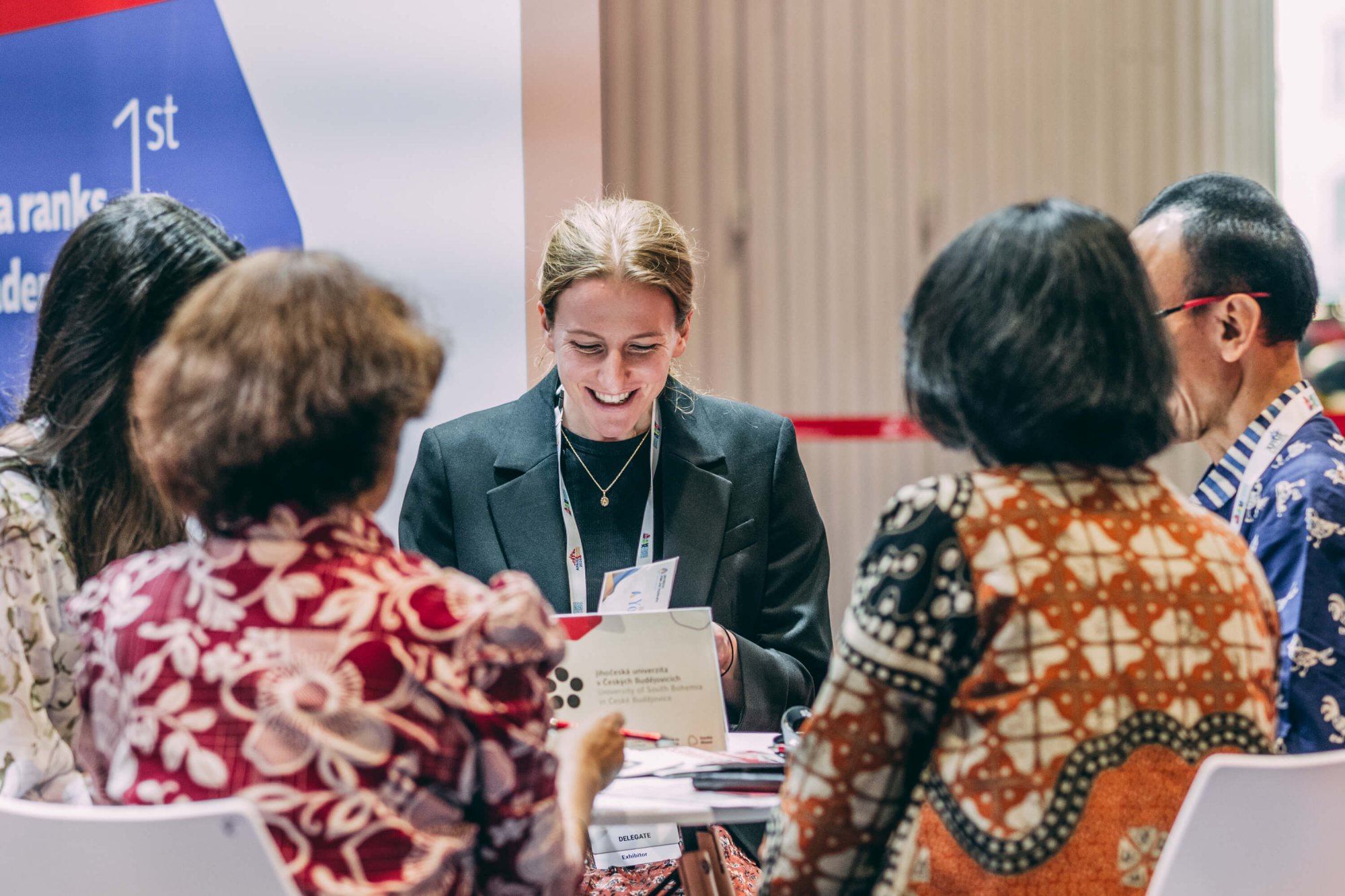
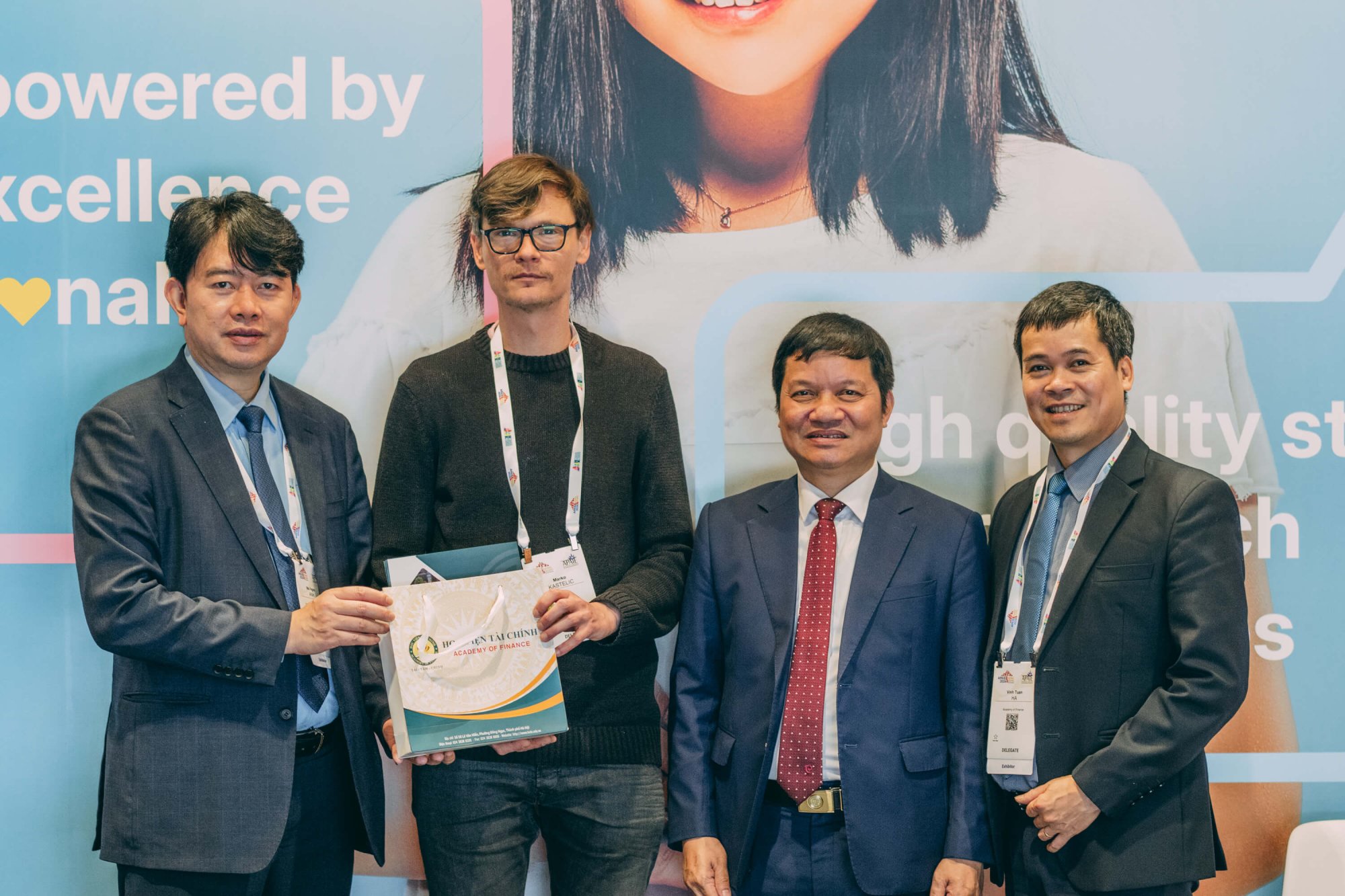
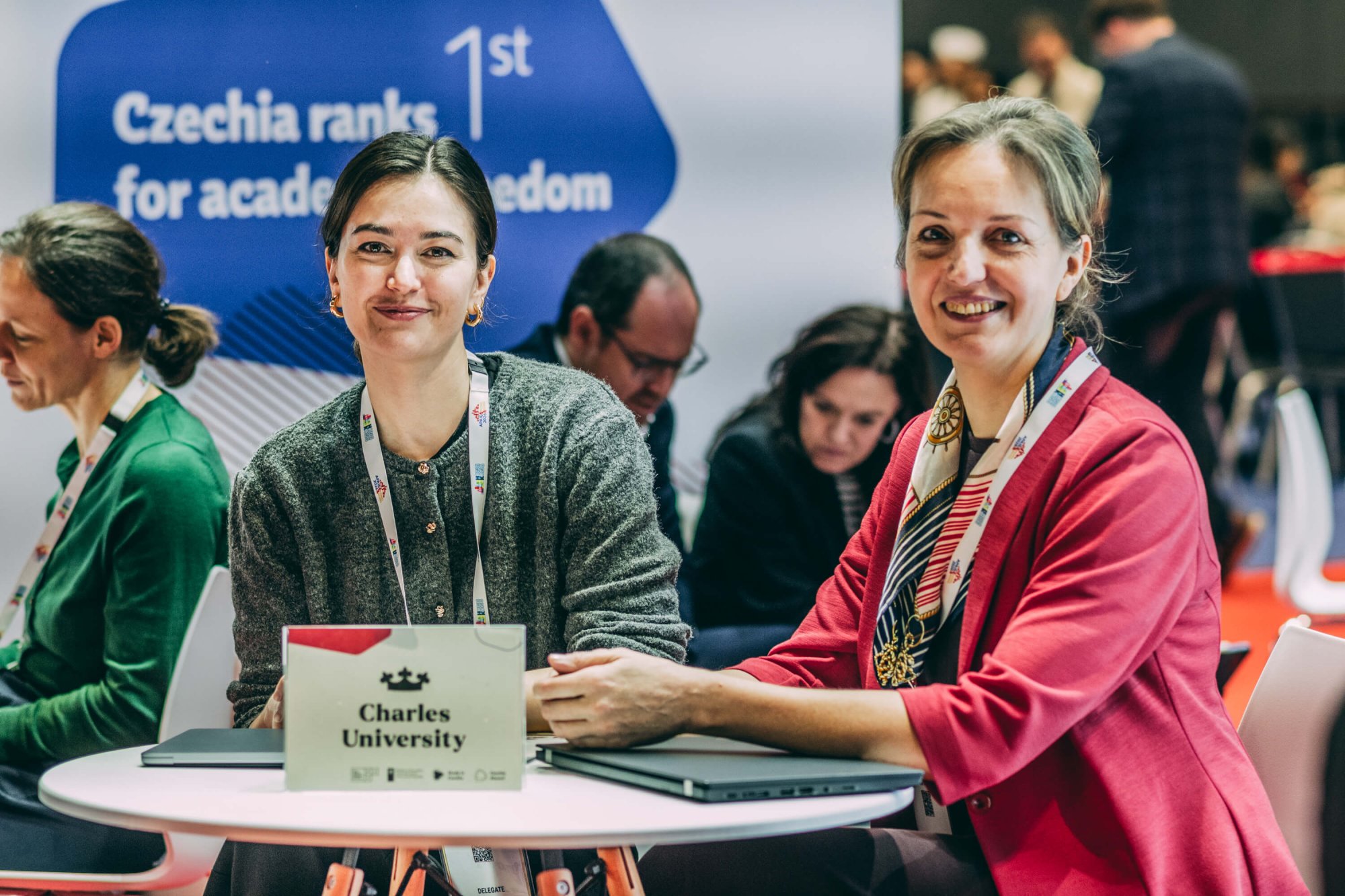
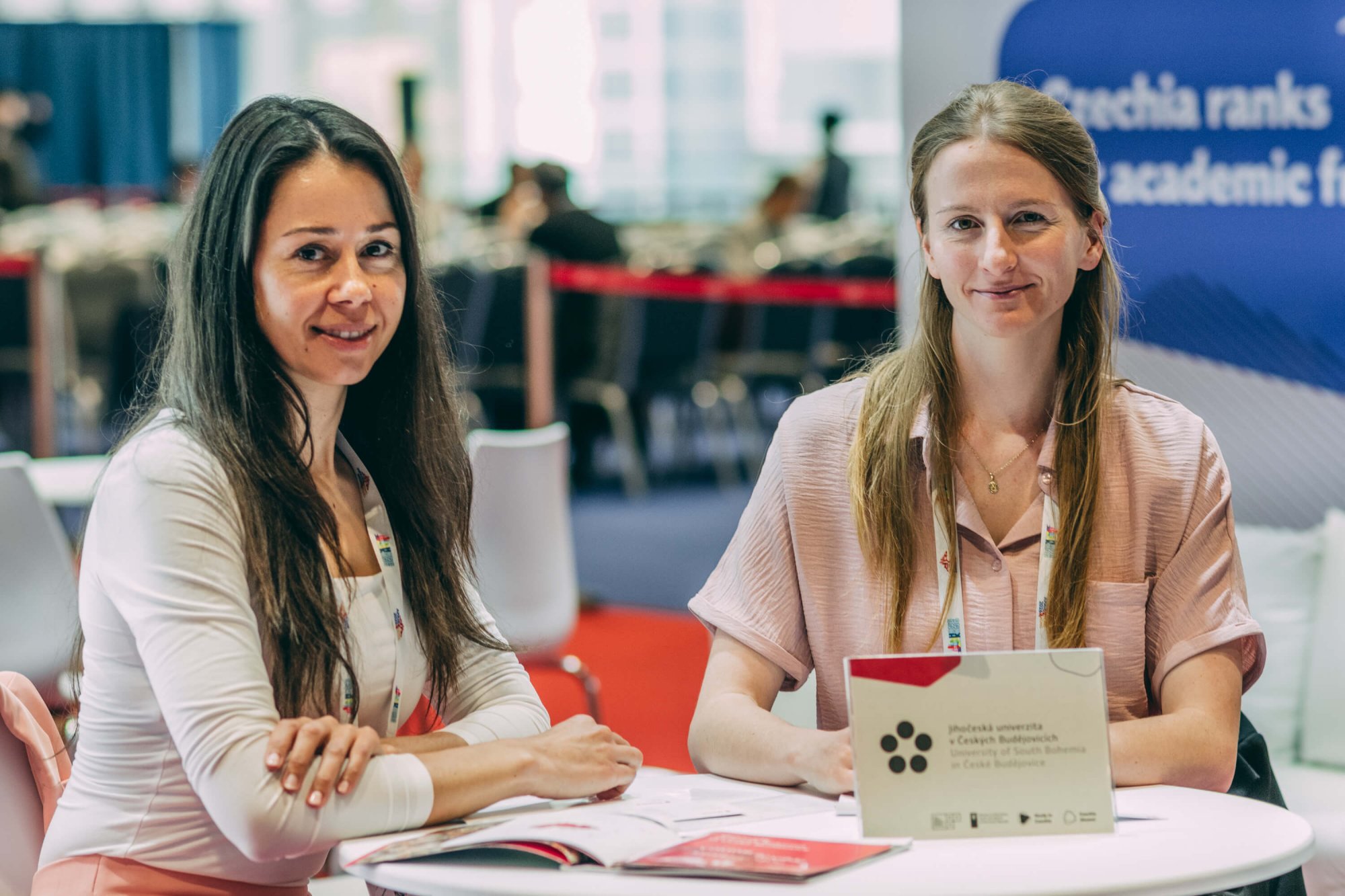
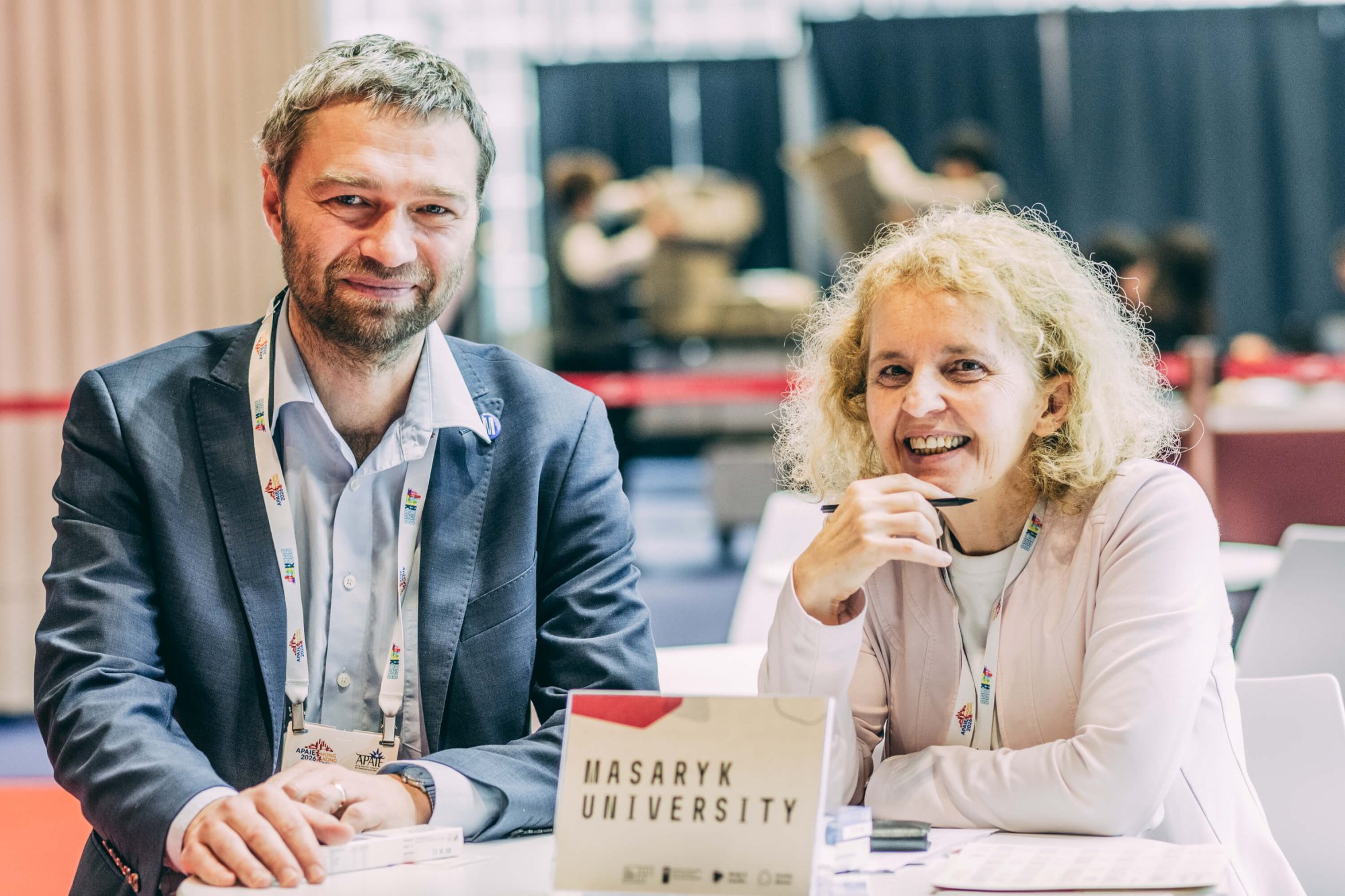
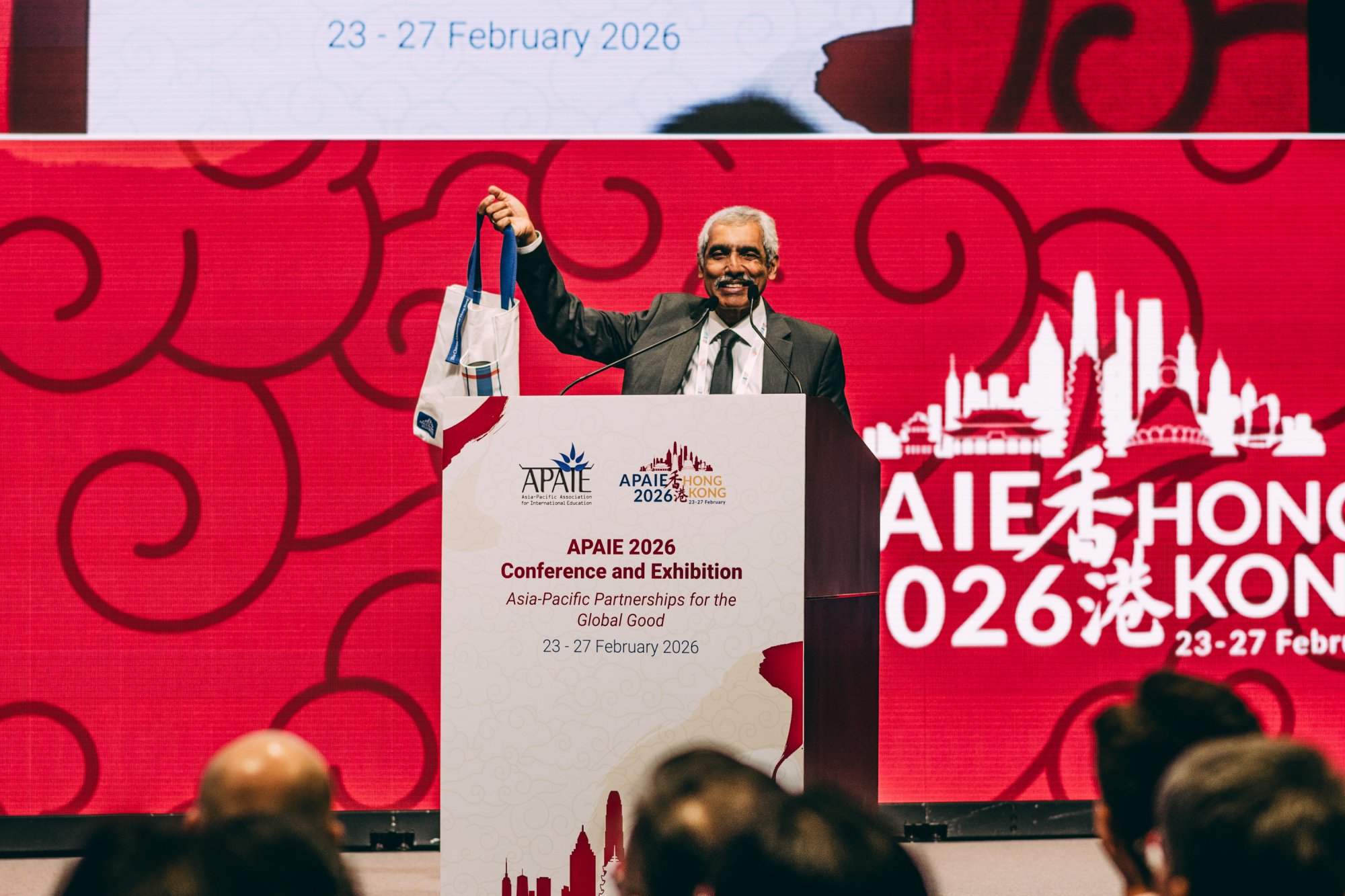
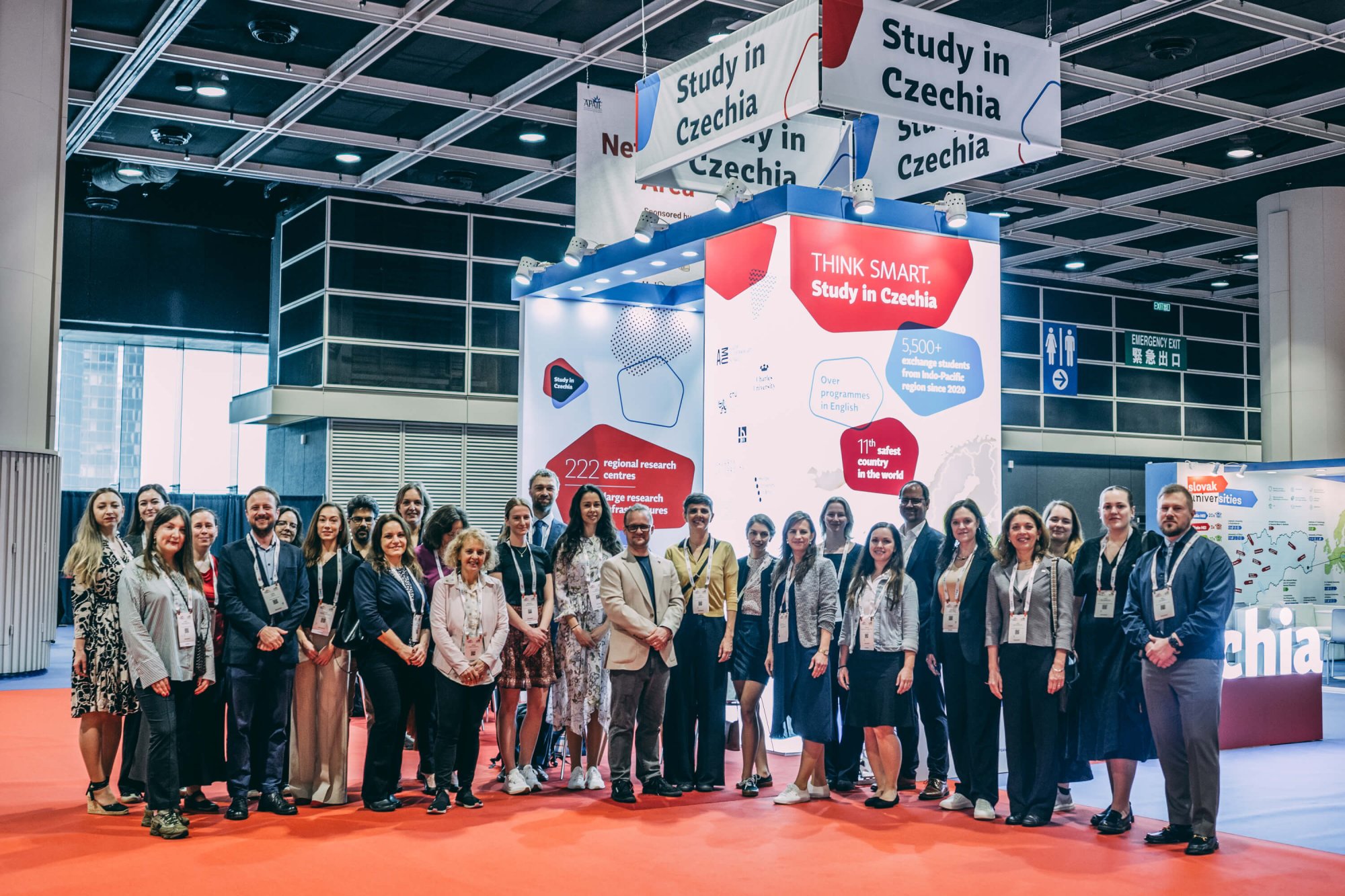
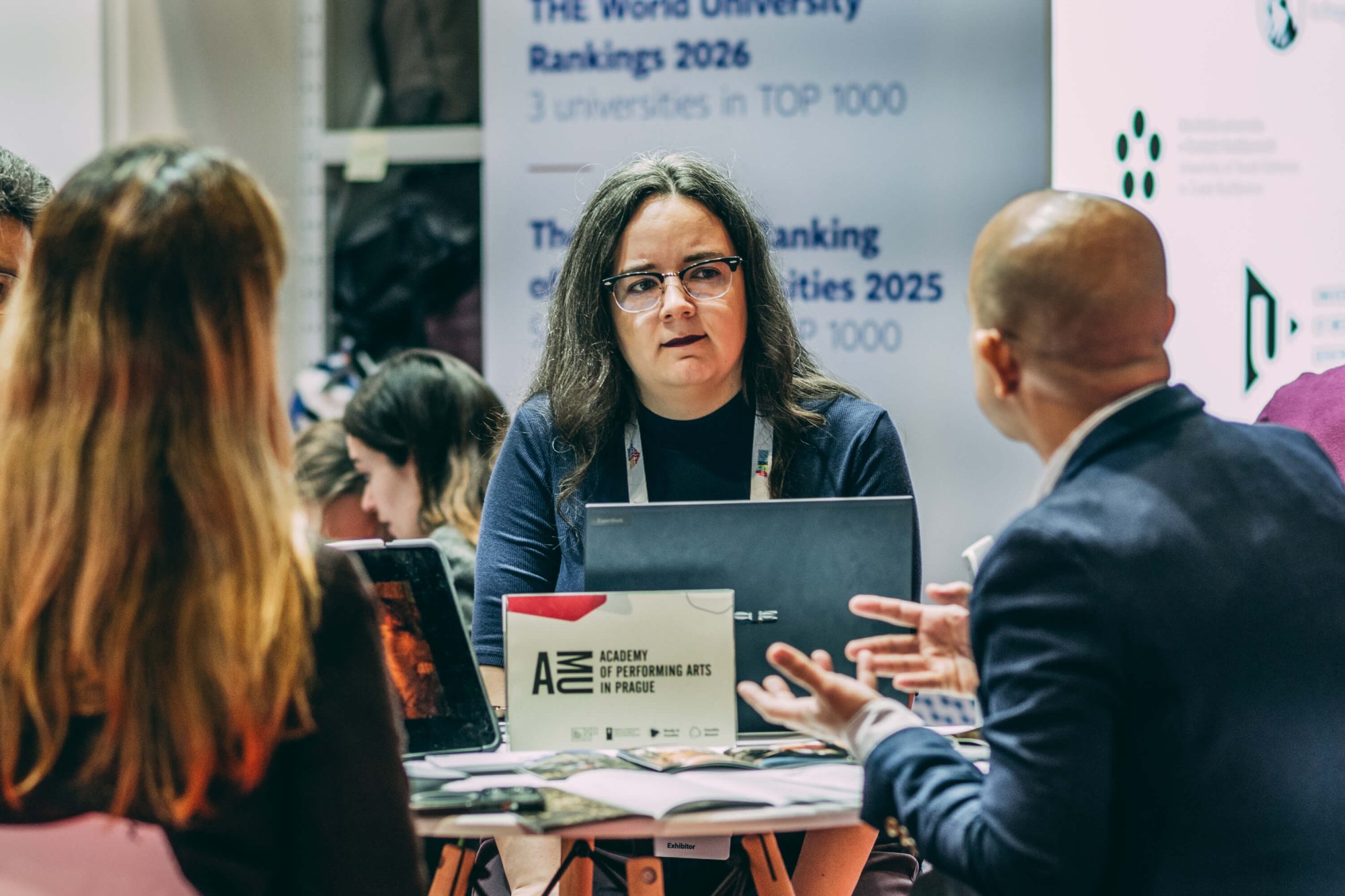
At the end of February, Hong Kong hosted one of the world’s leading events focused on the internationalisation of higher education – the APAIE 2026 Conference and Exhibition (23–27 February). At this major event in the strategically important Indo-Pacific region, a delegation led by the National Agency for International Education and Research (DZS), under the Study in Czechia initiative, presented alongside ten Czech higher education institutions. The national booth provided a platform for meetings with existing partners as well as for establishing new connections.
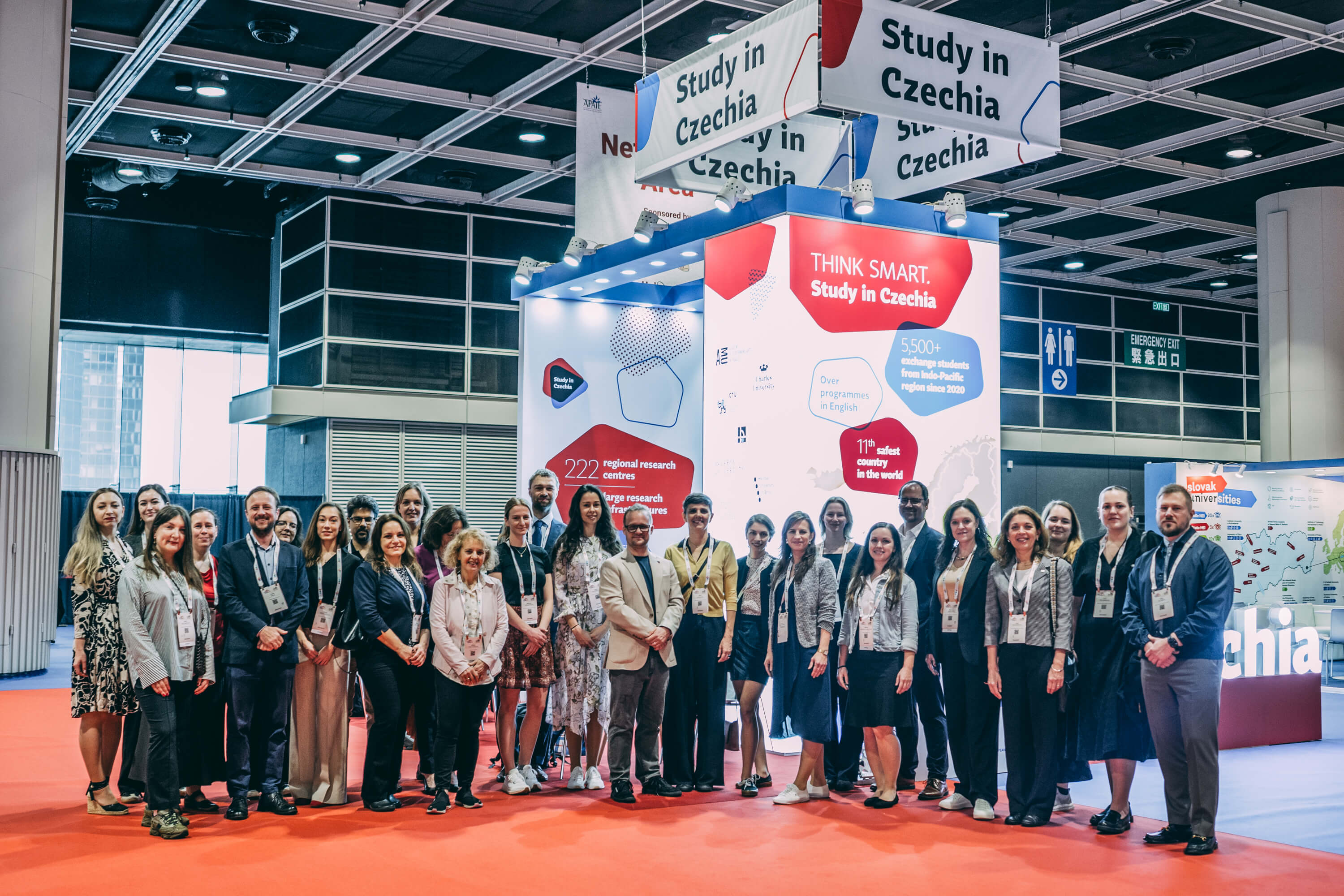
Indo-Pacific: a region setting the pace
Participation in APAIE is not a one-off activity for Czech universities, but part of a broader national strategy to strengthen international partnerships and advance the internationalisation of Czech higher education. In addition to APAIE, Czech higher education institutions regularly take part in two other key global events in the field – the NAFSA Annual Conference and Expo in the United States and the EAIE Annual Conference and Exhibition in Europe.
These platforms enable universities to systematically develop partnerships across different regions of the world. While European and North American conferences and fairs primarily focus on cooperation within Europe and across the Atlantic, APAIE offers a unique opportunity to engage with universities from Asia and the wider Indo-Pacific – a region of growing importance for European, and therefore also Czech, higher education institutions. “The region currently accounts for approximately 42% of global GDP and around 60% of the world’s population, with a large share made up of young people – future students and researchers,” said Soňa Lippmann, Head of the Communication and Analytical Section at the National Agency for International Education and Research.
In addition to organising the national stand, DZS also co-managed the European pavilion of the Study in Europe initiative together with the Estonian national agency. The initiative provides information on 33 European countries participating in the Erasmus+ programme.
Czech representatives were also able to strengthen important personal connections during networking events at the official Czech reception, co-organised by DZS and the Consulate General of the Czech Republic in Hong Kong. “Local audiences are often surprised by the breadth and quality of what Czechia has to offer, and that applies to education as well. High-quality education is part of our cultural heritage and our tradition of innovation, which underpins the success of many Czech companies and start-ups. That is why support for Study in Czechia is an integral part of the consulate’s promotional strategy,” said Consul General Klára Jurčová.

Czech universities and new opportunities for international cooperation
For Czech universities, APAIE is an excellent opportunity to meet long-standing partners in person and further develop existing cooperation – not least thanks to the more manageable scale of the event compared to its American or European counterparts. This simply allows more time and space for meaningful discussions.
“For example, Korea University offered a fully funded summer school on sustainability exclusively for our students during the fair – an opportunity that would most likely not have emerged through email communication alone. Similarly, our cooperation with Stellenbosch University in South Africa, one of the leading universities in Sub-Saharan Africa, is expanding from a smaller faculty-level exchange into a broader partnership,” said Sylvie Boumová, Head of the International Relations Office at Charles University.
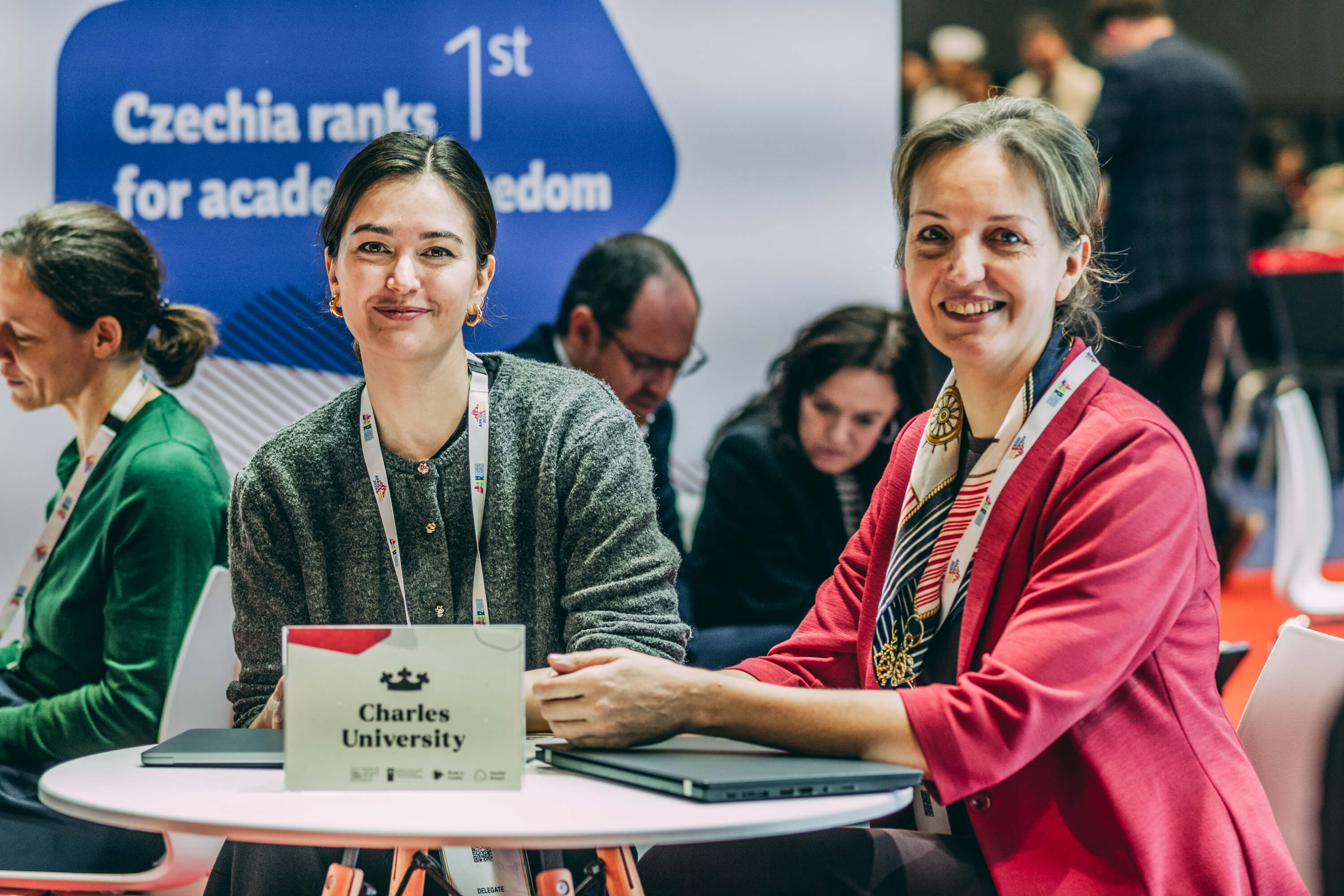
Czech higher education offers diversity not only in terms of disciplines, but also geographically – excellent universities with strong programmes are located in smaller cities as well, and the national stand at APAIE enabled them to present their strengths and connect with international partners. “International partners often associate Czechia primarily with Prague, while universities in other cities remain less visible. At the same time, many students are not necessarily looking for large and busy metropolitan areas, but rather for a high-quality study environment in a calmer setting. Our university, for example, offers top programmes in nanomaterials and textile engineering, along with significant patents that remain relatively little known both outside the region and within Czechia,” said Tereza Martínková from the International Office of the Technical University of Liberec.
It is hardly surprising that universities from the Indo-Pacific showed the greatest interest in Czech technological disciplines. “Partnerships with Asian universities often focus on electrical engineering, IT or semiconductor research, with research and development (R&D) playing a key role. Cooperation takes place at multiple levels – from student mobility to joint research projects,” confirmed Jan Michalík, Vice-Dean for International Relations and Communication at the Faculty of Electrical Engineering of the University of West Bohemia.
Conference highlights: AI, interdisciplinarity and new learning models
This year’s conference programme strongly reflected the transformation of higher education driven by digitalisation and new technologies. Universities are increasingly introducing courses focused on artificial intelligence and data skills across disciplines. To fully harness this potential, experts emphasised the need for comprehensive national strategies, long-term funding and systemic changes in education, research and innovation.
Australia was highlighted as an example of such an approach. “Australia is among the countries responding to the rise of artificial intelligence in a systematic way, with strong government support. At the end of last year, it introduced a national AI strategy aiming to contribute up to USD 600 billion to the economy by 2030. The strategy includes investments in infrastructure, research and workforce development, while clearly signalling that AI development is a national priority,” said Steven McDonald from Western Sydney University during a panel discussion on new skills for the future labour market. There, AI-related courses are already a mandatory component of education for both students and staff across disciplines.
Another major trend is the growing emphasis on interdisciplinarity. Some universities, such as Hong Kong University of Science and Technology (HKUST) at its new campus in Guangzhou, are therefore rethinking traditional faculty structures and creating new research and educational hubs that connect fields such as technology, economics and design.
There is also increasing emphasis on practical experience. Models such as work-integrated education – combining academic study with professional practice – are becoming a standard part of study programmes and are being used by universities as one of the key tools for improving graduate employability.
Regional trends: new technologies, innovation and ambitious universities in Hong Kong
Universities across the Indo-Pacific are investing heavily in research, technological innovation and international partnerships. Institutions in Hong Kong, for example, consistently rank among the world’s best universities (with one institution in the QS Top 20 and five in the QS Top 100 in 2026) and actively position themselves as global education hubs with ambitions to attract talented students and young researchers from around the world.
At the same time, there is a growing emphasis on linking universities with the economy, innovation and regional development strategies. A telling example is the ambitious Greater Bay Area concept, which connects the major urban centres of Guangdong, Hong Kong and Macao. With a population comparable to that of Germany, the region is envisioned by the Chinese leadership as a future engine of innovation, economic growth and industrial development.
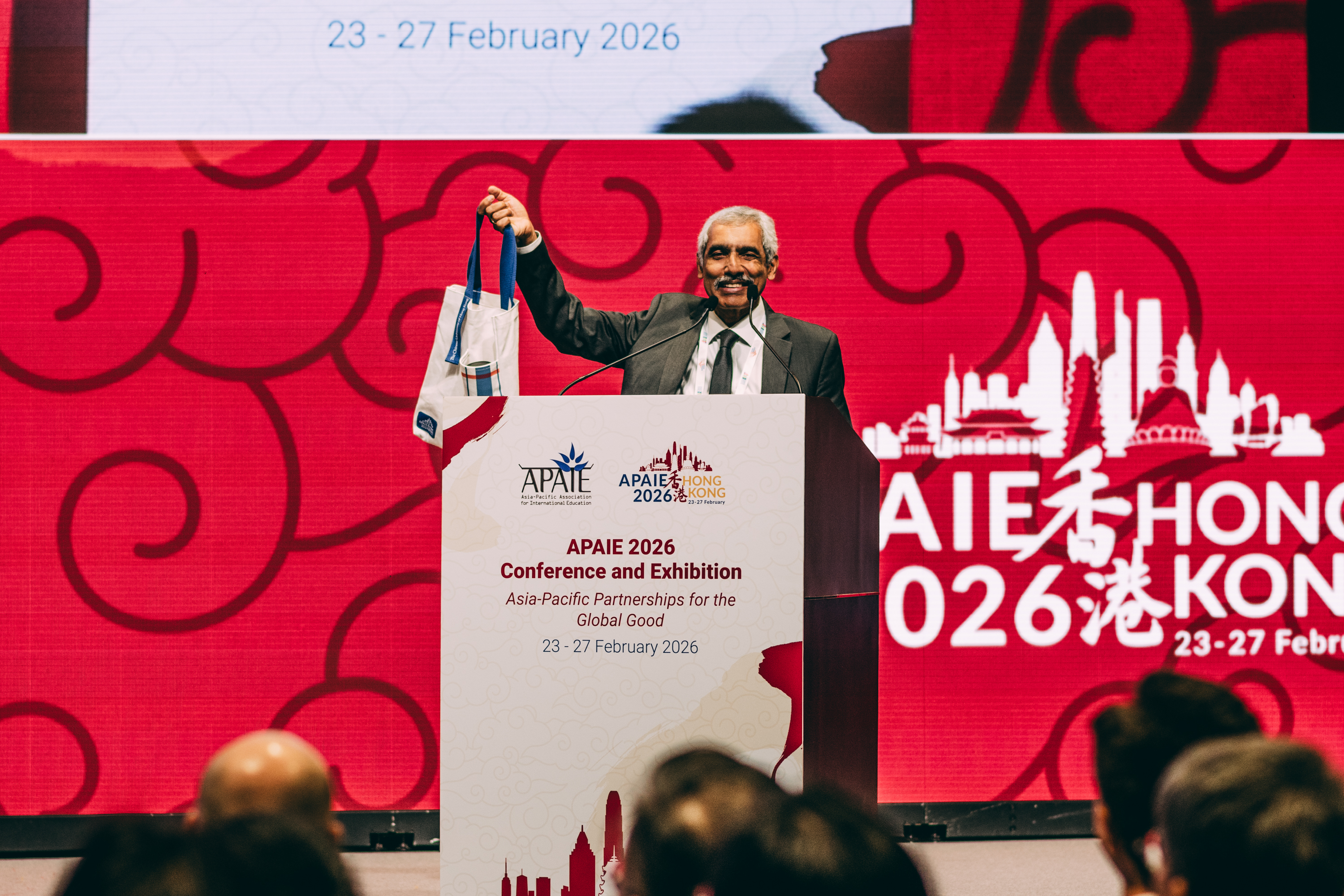
Presentations by local universities at APAIE, as well as organised campus visits – for example to Hong Kong University of Science and Technology (HKUST) and The Hong Kong Polytechnic University (PolyU) – reflected a similar trend. These institutions place strong emphasis on STEM fields, robotics, electrical engineering, IT and business, all closely linked to the region’s innovation and economic strategy. Humanities and social sciences, by contrast, are often approached through an interdisciplinary lens, as could be seen, for example, at Hong Kong Baptist University.
APAIE therefore remains an important platform for Czech universities to develop partnerships in the rapidly evolving Indo-Pacific region and confirms that a sustained presence at similar events is essential for the further internationalisation of Czech higher education.
List of Czech higher education institutions at APAIE 2026
- Academy of Performing Arts in Prague (AMU)
- Czech Technical University in Prague (CTU)
- University of South Bohemia in České Budějovice (USB)
- Masaryk University (MUNI)
- Mendel University in Brno (MENDELU)
- Technical University of Liberec (TUL)
- Charles University (CU)
- University of New York in Prague (UNYP)
- Institute of Technology and Business in České Budějovice (VŠTE)
- University of West Bohemia (UWB)